
Direct answer
How long does a cricket ball last?
A leather cricket ball may remain useful for anything from a short practice session to 80 overs or more, depending on its construction, playing surface, weather, maintenance, and level of play. There is no single guaranteed lifespan for every ball.
Key facts
- Match regulations and a ball’s actual usable life are not the same thing.
- White balls may lose visible shine and hardness faster under heavy use.
- Pitch conditions significantly affect durability
- Proper drying, storage, and legal maintenance can help preserve the ball.
Lifespan estimates should be treated as rough working ranges, not guarantees. Ball quality, two-piece or four-piece construction, leather, seam, outfield, pitch, moisture, bowling speed, and frequency of use can all change how long a ball remains suitable.
In the world of cricket, “How long does a ball last?” is the most common—and most misunderstood—question.
As cricket-ball manufacturers based in Meerut, we examine more than the number of overs bowled. Leather quality, core construction, stitching, shaping, finishing, playing surface, and maintenance all affect how a ball wears.
A high-quality ball may remain usable for a long spell on a soft grass outfield but show much faster wear on a rough, dry or abrasive surface.
That is why one lifespan figure cannot apply to every ground and playing condition.
What Makes a Cricket Ball Last?
Before comparing overs, examine what you are paying for. Two balls may look similar when new but behave differently after repeated impact because of differences in leather, core, stitching, shaping and finishing.
Direct answer
Why does cricket ball lifespan vary so much?
A cricket ball’s lifespan varies because its leather, core, stitching, shaping, finish, playing surface, weather, bowling speed, and maintenance all affect wear.
Key facts
- Rough surfaces can damage the leather faster.
- Moisture can soften the leather and affect the ball’s shape.
- Seam and core quality influence how the ball performs as it ages.
- Two balls of the same type may wear differently in different conditions.
A ball can remain physically usable after its original shine or swing has reduced. “Lifespan” may mean different things: how long the ball remains safe, keeps its shape, retains a useful seam, or performs at match level.
How Leather and Finishing Affect Durability
Leather durability depends on more than the name of the tanning process. The quality and thickness of the hide, tanning method, treatment, finishing, dye, polish, and protective layers all influence how the ball responds to moisture, impact, and abrasive surfaces.
When comparing balls, check:
- Leather type and thickness
- Surface finish
- Resistance to cuts and scuffs
- How well the leather holds its shape
- Whether the ball is intended for practice or match play
Alum-tanned leather is traditionally used in many cricket balls, but the tanning label alone does not guarantee quality. The complete construction and finishing process matters.
The Core: Cork, String and Alternative Materials
The core affects the ball’s hardness, weight, balance, bounce, and ability to retain its shape.
Traditional leather cricket balls commonly use a cork-based core wrapped with tightly wound string or yarn. Construction can vary by product grade and manufacturer, and some lower-cost practice balls may use alternative core materials.
When comparing balls, look for:
- Balanced weight
- Consistent shape
- Suitable hardness
- Controlled bounce
- Construction designed for the intended level of play
Hand-Stitched and Machine-Stitched Cricket Balls
Stitching method can affect the seam, but hand-stitching is not automatically perfect and machine-stitching is not automatically poor. Leather quality, thread, stitch tension, seam height, shaping, and finishing all matter.
A well-made hand-stitched ball may offer:
- A strong, prominent seam
- Good grip for bowlers
- Better structural support
- Skilled control over stitch tension
Machine-assisted production can help provide:
- Consistent shaping
- Repeatable construction
- Faster production
- Controlled measurements
The best choice depends on the ball’s intended use and the quality of its complete construction.
| Ball Type | General expectation |
|---|---|
| Four-piece red ball | Designed for extended use in longer matches |
| White Ball | Used for limited-overs cricket; visible shine may reduce during play |
| Pink Ball | Designed for day-night multi-day cricket |
| Two-piece leather ball | Commonly used for school, coaching and regular practice |
How Match Format Affects Ball Use
Red Ball
A red ball is designed for longer-format cricket. In multi-day matches, the fielding captain may request a new ball after 80 overs, but the old ball does not automatically become unusable at that point. MCC Law 4
White Ball
White balls are used in limited-overs cricket. In current international ODIs, two new balls are generally used—one from each end—so each ball may bowl approximately half the innings. Rules can vary by competition. ICC playing conditions
Pink Ball
Pink balls are designed for day-night multi-day cricket. Their useful life depends on the manufacturer, lacquer, surface, light conditions, weather, and match use. For this reason, a fixed lifespan cannot be guaranteed for every pink ball.

| Phase | Common changes |
|---|---|
| New ball | Maximum hardness, visible shine and a prominent seam |
| Developing ball | Shine may reduce and one side may become rougher |
| Older ball | Softer feel, reduced conventional swing and possible reverse swing under suitable conditions |
| Condition | Likely effect |
|---|---|
| Dry, abrasive surface | Faster scuffing and roughness |
| Soft grass outfield | Slower surface wear |
| Damp conditions | Leather may absorb moisture and soften |
| Hard, fast surface | Greater impact stress and possible seam flattening |
India, Pakistan, Bangladesh, Sri Lanka and the UAE
Many grounds in these countries can have dry pitches, abrasive practice surfaces and hot conditions.
This may lead to:
- Faster scuffing of the leather
- Earlier roughness on the surface
- Quicker loss of visible shine
- Earlier reverse-swing opportunities under suitable conditions
However, wear can be much slower on well-grassed grounds and during cooler or wetter weather.
UK, New Zealand and Ireland
Cooler weather, moisture and well-grassed outfields can reduce surface abrasion on many grounds.
This may lead to:
- Slower damage to the leather
- Longer visible shine retention
- More help for conventional swing
- Less rapid surface roughness
Conditions can still change during dry weather or on heavily used pitches.
Australia and South Africa
Many grounds are known for hard, fast pitches and firm outfields.
This may lead to:
- Greater impact stress
- Faster flattening of the seam
- Increased wear on hard outfields
- Consistent bounce while the ball retains its shape
Not every ground behaves the same, and weather, grass coverage and ball construction remain important.

| Feature | Two-Piece Ball | Four-Piece Ball |
|---|---|---|
| Construction | Two shaped leather cups | Four shaped leather panels |
| Common use | School, coaching and regular practice | Advanced practice, club and match play |
| Seam | Depends on stitching and product grade | Often designed with a more prominent match-style seam |
| Performance | Suitable for repeated training | Generally chosen for more realistic match preparation |
| Price | Usually more affordable | Usually costs more |
| Durability | Depends on leather, core, stitching and surface | Depends on leather, core, stitching and surface |
Recommended for Club Cricket
SVB Club Leather Cricket Ball
A 156 g, four-piece, hand-stitched leather cricket ball available in red and white for club practice, matches, and tournaments.

SVB Club Leather Cricket Ball
What is this product? A 156g leather cricket ball designed for club-level matches and advanced training. Who is it for? Club and league players Cricket academies Practice...
How to Extend Ball Life
These basic care steps can help protect the leather, seam and shape between practice sessions.
Tools & Materials
- Clean, soft cloth
- Dry, ventilated storage space
- 1
Keep the ball dry
Wipe away surface moisture after use and allow the ball to dry naturally. Do not place it next to strong heat, as excessive heat may damage the leather.
- 2
Maintain the surface legally
During a match, follow the applicable rules for polishing and maintaining the ball. Do not scratch the leather, lift the seam, or apply an artificial substance.
- 3
Store it correctly
Keep the ball in a cool, dry, ventilated place. Avoid leaving it in a wet kit bag or under direct sunlight for long periods.
Result
Better protection of the leather, seam and shape between uses
Why Conventional Swing Reduces and Reverse Swing May Begin
Conventional swing is influenced by the seam position, surface condition, bowling speed and airflow around the ball.
As the ball becomes older, one side may remain smoother while the other becomes rougher. Under suitable conditions and at sufficient speed, this difference can contribute to reverse swing.
Reverse swing does not begin automatically after a fixed number of overs.
How Different Formats Use the Ball
Tests: A ball may go through a long cycle of shine, wear, conventional swing and possible reverse swing. A new ball may be requested after 80 overs.
ODIs: Current international conditions generally use two new balls, one from each end, although competition rules can vary.
T20s: One ball is normally used for a 20-over innings, unless it is lost or becomes unfit for play.

FAQ
Common Questions About Cricket Ball Life
Question 1
How many overs should a good cricket ball last?
Question 1
How many overs should a good cricket ball last?
Question 2
Why can a white ball appear to wear faster?
Question 2
Why can a white ball appear to wear faster?
Question 3
Is a four-piece ball always better?
Question 3
Is a four-piece ball always better?
Question 4
Can a two-piece ball be used in matches?
Question 4
Can a two-piece ball be used in matches?
Question 5
Can proper care extend a cricket ball’s life?
Question 5
Can proper care extend a cricket ball’s life?
Key Points:
- 1Ball life depends on construction, surface, weather and use
- 2Match regulations do not guarantee a ball’s physical lifespan
- 3Two-piece and four-piece balls serve different needs
- 4Proper drying and storage can help protect the ball
- 5Quality should be judged by the complete construction
Treat lifespan figures as estimates. Choose a ball according to its intended use, construction, playing surface and level of cricket.
Compare Your Options
Leather Cricket Balls for Different Playing Needs
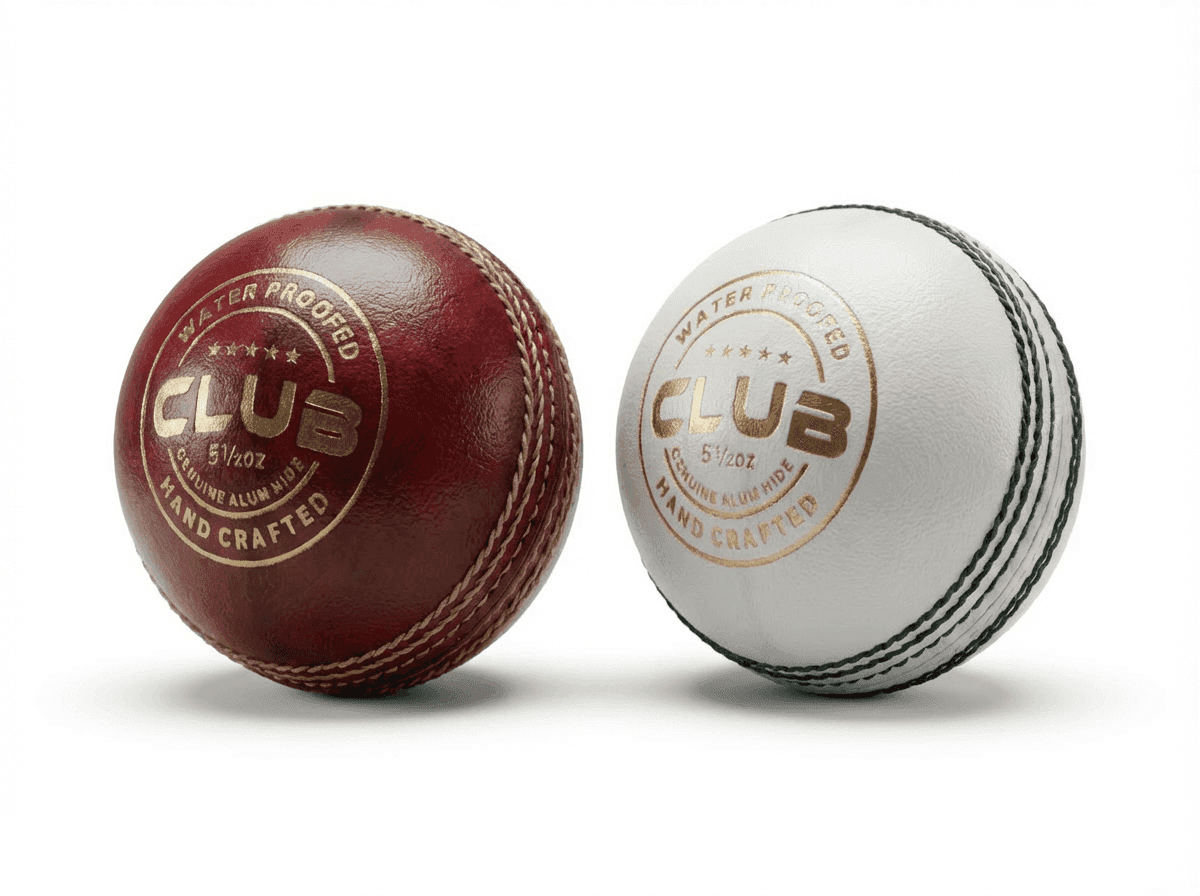
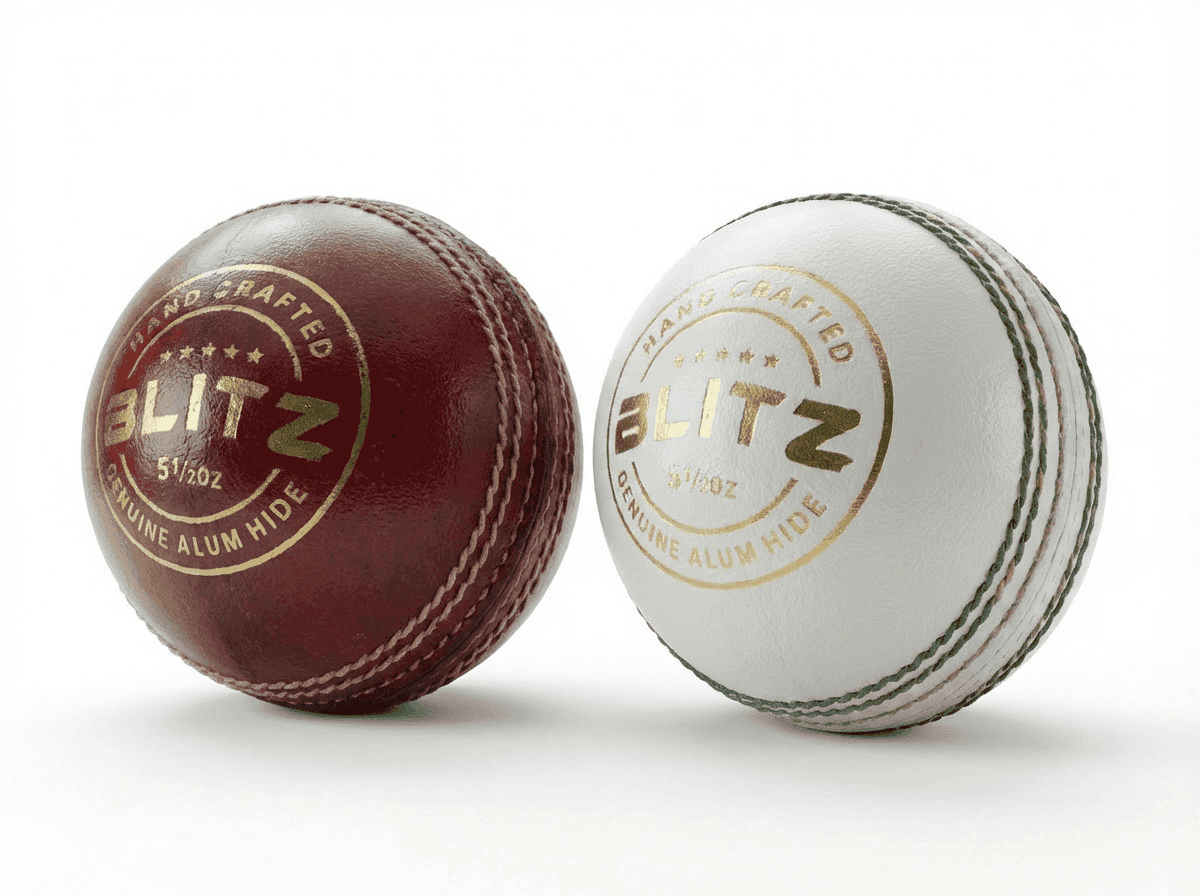
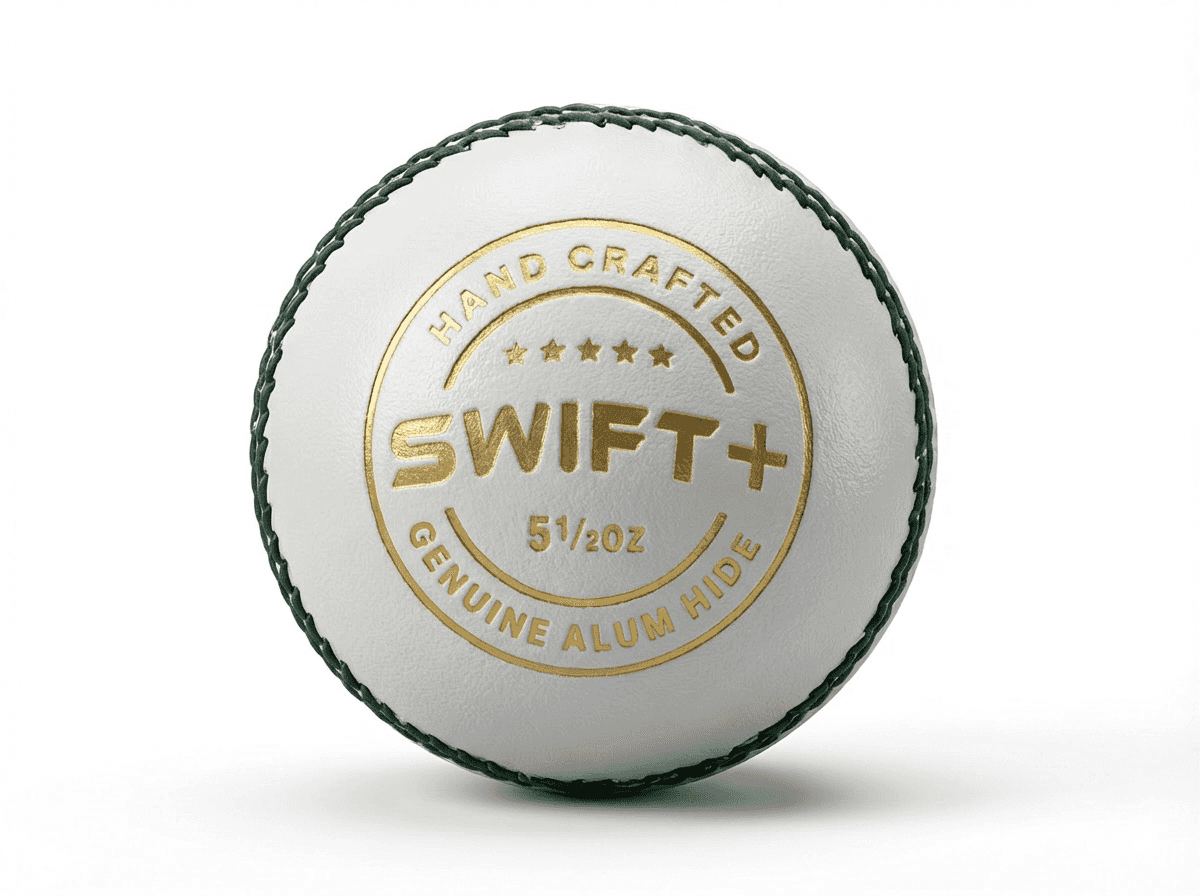
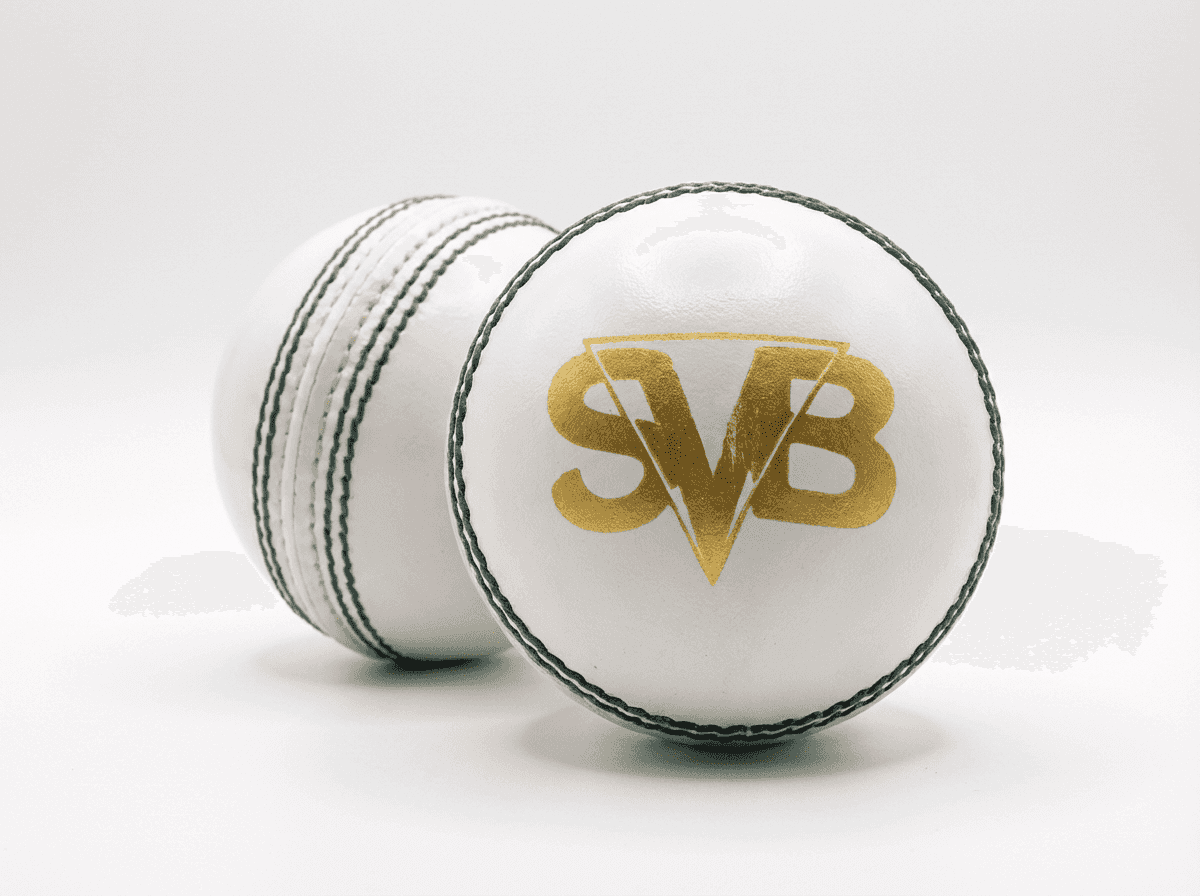
Compare cricket balls by construction, weight, colour, intended use, and playing level to find the right option for practice or matches.
Choose the Right Ball
Match the Ball to Your Playing Needs
Compare leather cricket balls by construction, weight, seam, intended use and playing level.
Written by
Prashant
Prashant
Previous article
Cricket Leather Balls: Types, Weight, Swing & Buying Guide
Next article
Which Leather Is Used to Make Cricket Balls?
Tags