
Direct answer
What should you look for when buying a cricket leather ball?
Choose a cricket leather ball based on its intended use, leather quality, two-piece or four-piece construction, seam strength, weight, playing surface, and budget. These factors affect durability, swing, bounce, and overall value. “Alum-tanned preferred” is too broad. Alum-tanned leather can be good, but it is not automatically best for every use.
Key facts
- Leather balls provide realistic match experience
- Seam and leather quality affect performance
- Different formats require different ball types
- Price varies based on durability and construction
This guide explains ball types, construction, weight, seam quality, pricing, and playing conditions to help you choose the right cricket ball.
Cricket in India is not just a sport — it’s a way of life. Every aspiring player knows that the quality of the cricket ball can make or break training sessions and match performance. Players can now choose from many leather cricket balls made for school training, net practice, club cricket, and competitive matches. The right choice depends on the ball’s construction, leather, seam, weight, and intended level of play.
Why Choose Leather Cricket Balls?
A leather cricket ball offers the closest experience to professional match conditions. Compared to synthetic or tennis balls, leather balls provide:
| Feature | Benefit |
|---|---|
| Durability | Can support repeated practice or match use, depending on construction, surface, and care |
| Swing & Seam | Natural movement for bowlers |
| Match Simulation | Essential for serious practice |
| Shine & Grip | Improves performance for batters and bowlers |
For nets, clubs, and competitive matches, leather is the gold standard.
Types of Balls Used for Cricket
Different formats require different ball types:
| Types | Common use |
|---|---|
| Red Leather Balls | Test, first-class, club and daytime cricket |
| White Leather Balls | One-day and T20 cricket, especially under lights |
| Pink Leather Balls | Day-night multi-day cricket |
| Synthetic/Rubber Balls | Beginner practice and recreational play |
| Tennis/Wind Balls | Gully cricket and introductory training |
Four-piece leather balls are generally preferred for competitive match practice and higher-level play. Two-piece leather balls can offer better value for school training, regular nets, and skill development.
Inside a Leather Cricket Ball
A standard leather cricket ball is built for precision:
| Component | Function |
|---|---|
| Cork Core | Weight and hardness |
| Wound String/Yarn | Balance and structure |
| Leather Cover | Outer durability |
| Raised Seam | Grip and swing |
Under the MCC Laws of Cricket, a new ball for men’s cricket must weigh between 155.9 and 163 g (5.5–5.75 oz).
The specification comes from MCC Law 4, not directly from “ICC rules.” Women’s and junior balls have different weight ranges. MCC Law 4
Competitor Brands: Where They Stand
Indian players often choose from a few established names:
How to Compare Cricket Ball Brands
Instead of choosing only by brand name, compare:
- Two-piece or four-piece construction
- Leather type and finish
- Hand-stitched or machine-stitched seam
- Ball weight and size
- Intended use: training, club or match
- Expected playing surface
- Price and replacement policy
A more expensive ball is not always necessary for everyday practice, while a low-cost practice ball may not provide the performance required for competitive matches.
How to Choose an Affordable Practice Ball
Not every training session requires an expensive match ball. For school, coaching, and regular net practice, players need a leather ball that offers the correct weight at an accessible price.
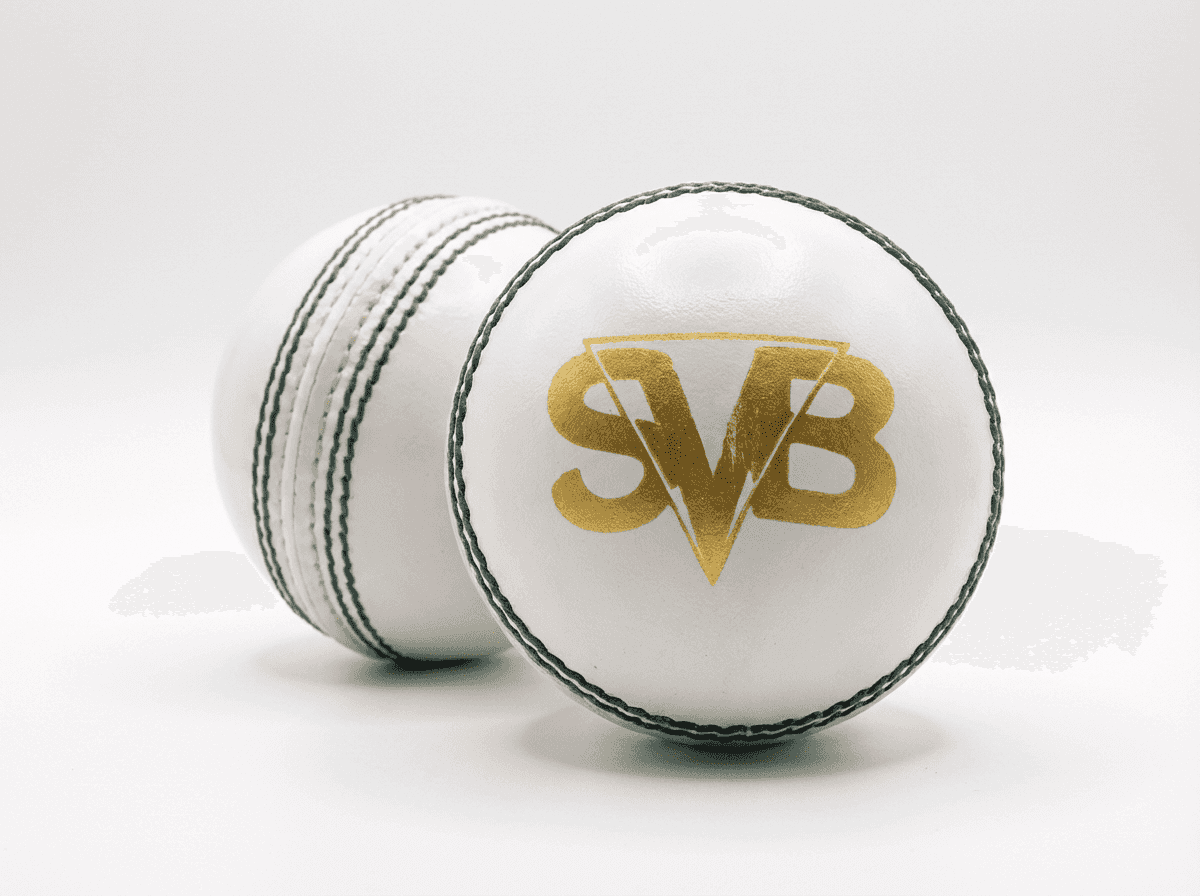
The SVB Sports Swift+ is designed with this need in mind:
- Two-piece leather construction
- Standard 156 g weight
- Suitable for school and regular net practice
- A budget-friendly option for frequent training
- The most affordable leather cricket ball in the SVB Sports range
👉 If you need an affordable genuine leather ball for regular practice, the Swift+ can be a practical starting option.
Explore More Options
Cricket Leather Balls for Training and Matches
Compare leather cricket balls by construction, weight, colour, and intended use to find the right option for your playing needs.

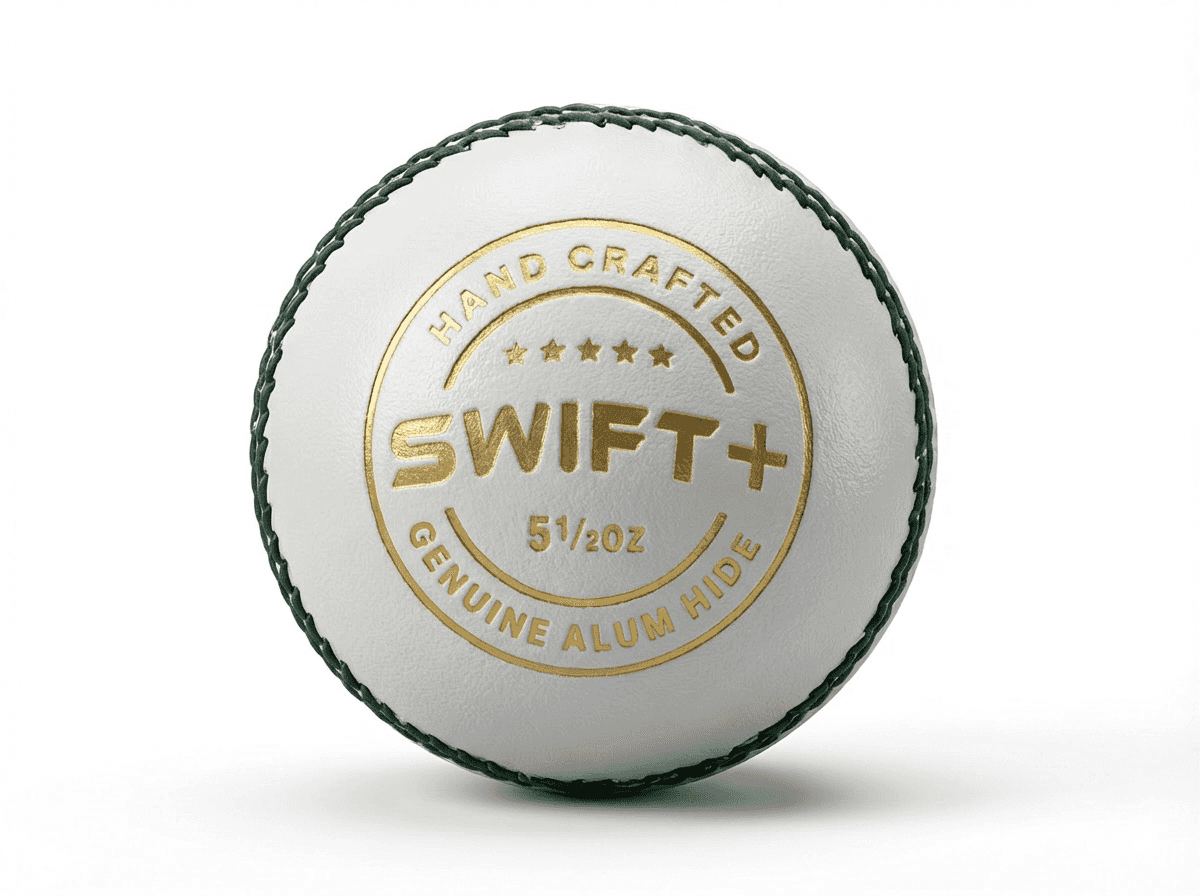
SVB Swift+ Leather Cricket Ball
Affordable 156g two-piece, hand-stitched leather cricket ball for school cricket, coaching sessions, beginners and regular training.
How to Choose the Right Cricket Ball
Before buying, ask yourself:
| Factor | Consideration |
|---|---|
| Purpose | Training vs Match |
| Leather Quality | Check the leather type, finish, thickness, and intended playing level |
| Seam Build | Check seam height, stitching strength, and evenness |
| Budget | Compare the current price with construction, durability, and intended use |
| Playing Surface | Rough surfaces wear balls faster; choose accordingly |

Recommended for Batting Practice
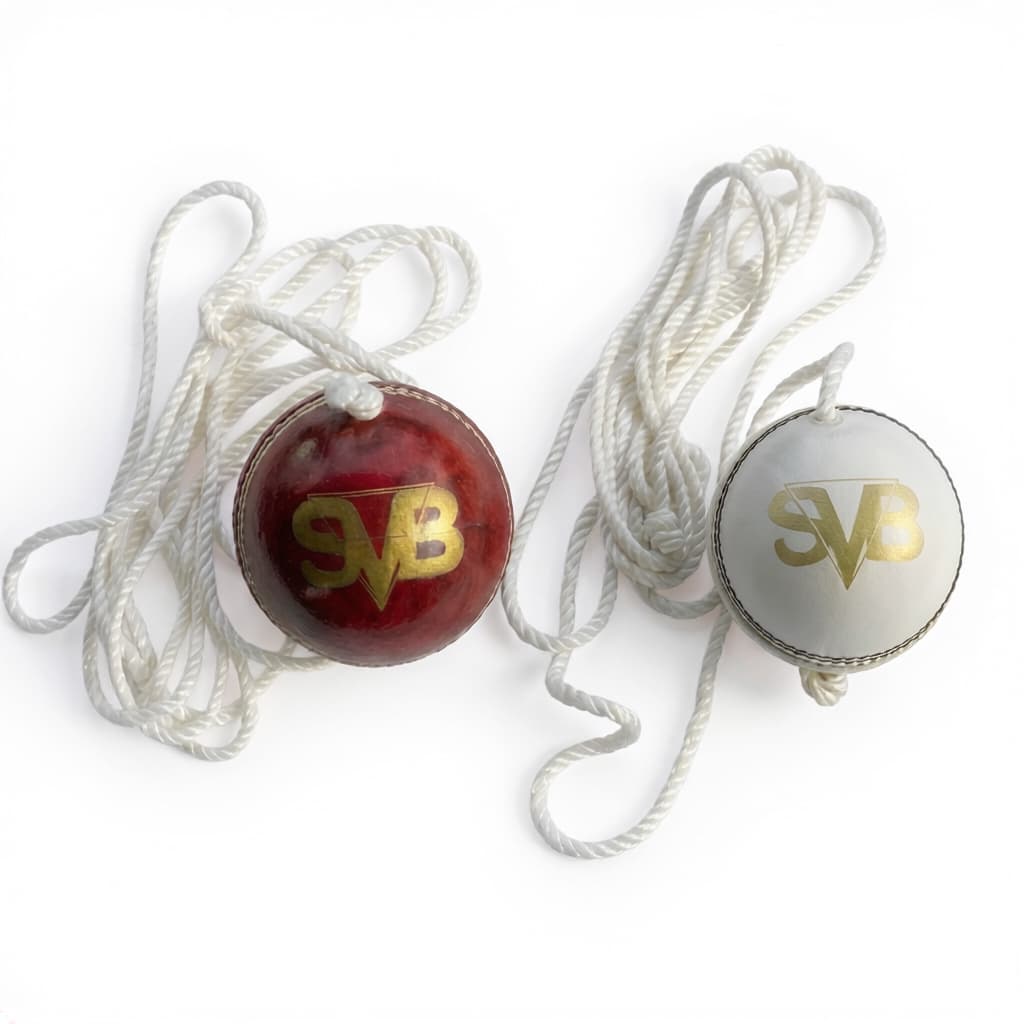
SVB Hanging Leather Cricket Ball
A 156 g leather ball with an attached practice rope for working on batting timing, shot control, and hand-eye coordination in a limited space.
SVB Hanging Leather Cricket Ball with Practice Rope
156g four-piece leather cricket ball with an adjustable braided nylon rope for solo batting practice, timing drills and hand–eye coordination.
FAQ
FAQ
Question 1
What is the price of a cricket leather ball in India?
Question 1
What is the price of a cricket leather ball in India?
Question 2
Which cricket ball is best for training?
Question 2
Which cricket ball is best for training?
Question 3
Which cricket ball is best for Indian pitches?
Question 3
Which cricket ball is best for Indian pitches?
Question 4
What is inside a cricket ball?
Question 4
What is inside a cricket ball?
Question 5
What are the differences between red, white, and pink balls?
Question 5
What are the differences between red, white, and pink balls?
Question 6
Where can I buy cricket balls online in India?
Question 6
Where can I buy cricket balls online in India?
Question 7
How much does a cricket ball cost in India?
Question 7
How much does a cricket ball cost in India?
Question 8
Are synthetic or tennis balls good for beginners?
Question 8
Are synthetic or tennis balls good for beginners?
Key Points:
- 1Leather balls provide realistic practice and match conditions
- 2Construction, leather, seam, and playing surface affect performance and durability
- 3Different ball types suit different formats and training levels
- 4Price varies according to construction, materials, and intended use
- 5Choosing the right ball can improve the quality of your training
The right cricket ball is not always the most expensive one. Choose according to your playing level, training purpose, surface, and required construction.

Recommended products
Selected for this page
Find Your Cricket Ball
Choose Smart, Play Better
Choose a leather cricket ball suited to your training, match format, playing surface, and skill level.
Written by
Prashant
Prashant