
Direct answer
What is the difference between red, white, and pink cricket balls?
Red balls are used in Tests and last longest with sustained swing, white balls are used in ODIs/T20s with strong early swing but faster wear, while pink balls are used in day-night Tests, offering a balance of visibility and movement.
Key facts
- Red ball → longest durability
- White ball → early swing, faster wear
- Pink ball → designed for day-night Tests
- Differences come from dye, lacquer, and format
The main difference between red, white, and pink cricket balls lies in format, visibility, and durability. Red balls last longest and are used in Tests, white balls swing early but wear quickly in ODIs/T20s, while pink balls balance visibility and movement for day-night Tests.
In this article9 sections
Cricket is often called a game of fine margins—small details can change a match. One of the most important of those details is the type of cricket ball being used. Whether it’s the traditional red, the modern white, or the innovative pink, each ball behaves differently and shapes how the game unfolds.
The Red Cricket Ball – Tradition Meets Endurance
The red cricket ball has been the heartbeat of Test Cricket for more than a century. Its darker dye and natural lacquer make it more durable than other types. Red balls keep their shine longer, letting bowlers use swing well into the innings.
| Feature | Details |
|---|---|
| Durability | Can last up to 80–90 overs with proper maintenance |
| Swing | Supports both conventional and reverse swing |
| Best For | Long formats played in daylight |
This is why red balls remain the standard in Tests—they withstand hours of play and multiple spells from both pace and spin bowlers.
The White Cricket Ball – Powering Limited Overs
The white cricket ball rose with the popularity of day-night ODIs and T20s. It’s designed for high visibility under floodlights and against coloured jerseys—but it trades off durability.
| Feature | Details |
|---|---|
| Swing | Moves more dramatically in the first 10 overs |
| Durability | Softer leather means quicker wear |
| Best For | ODIs and T20 matches under lights |
For batters, once the shine fades, stroke play becomes easier. For bowlers, the challenge is to strike early. This explains the difference between white and red ball cricket—white balls are made for shorter formats, while red balls endure the grind of Tests.
The Pink Cricket Ball – The Newcomer
The pink cricket ball was introduced to make day-night Test cricket possible. Red was hard to see at night; white clashed with whites. Pink offers the middle ground.
| Feature | Details |
|---|---|
| Visibility | Clearer than red at night |
| Swing | Extra lacquer often increases movement |
| Best For | Day-night Tests |
Many players say the pink ball behaves unpredictably during twilight—part of the challenge and the drama.
| Ball | Strength | Limitation |
|---|---|---|
| Red | Durable, long-lasting | Less visible at night |
| White | High visibility | Wears quickly |
| Pink | Balanced | Can behave unpredictably |
Why Do They Behave Differently?
The secret lies in how each ball is made:
- Leather dye & treatment → affects durability and visibility
- Lacquer layers → control swing and shine retention
- Format demands → Tests vs limited overs
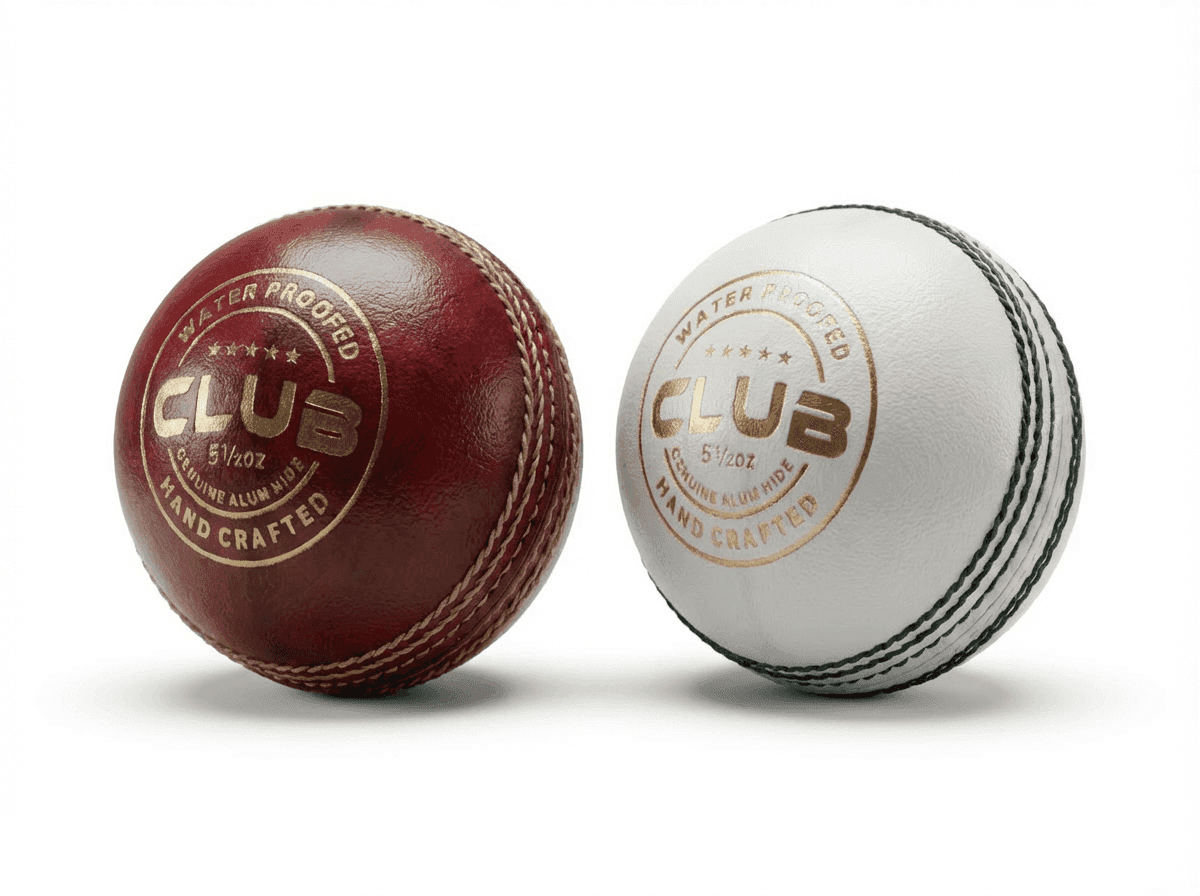
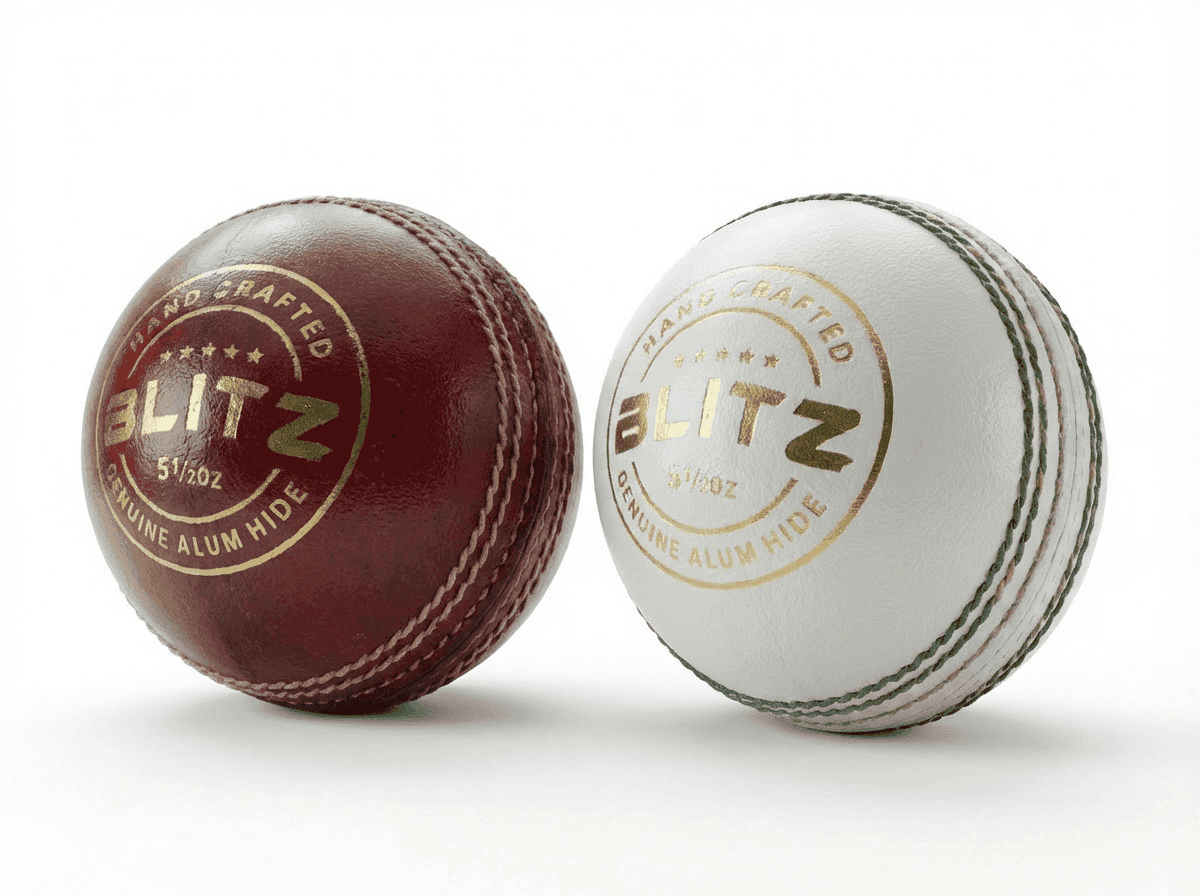
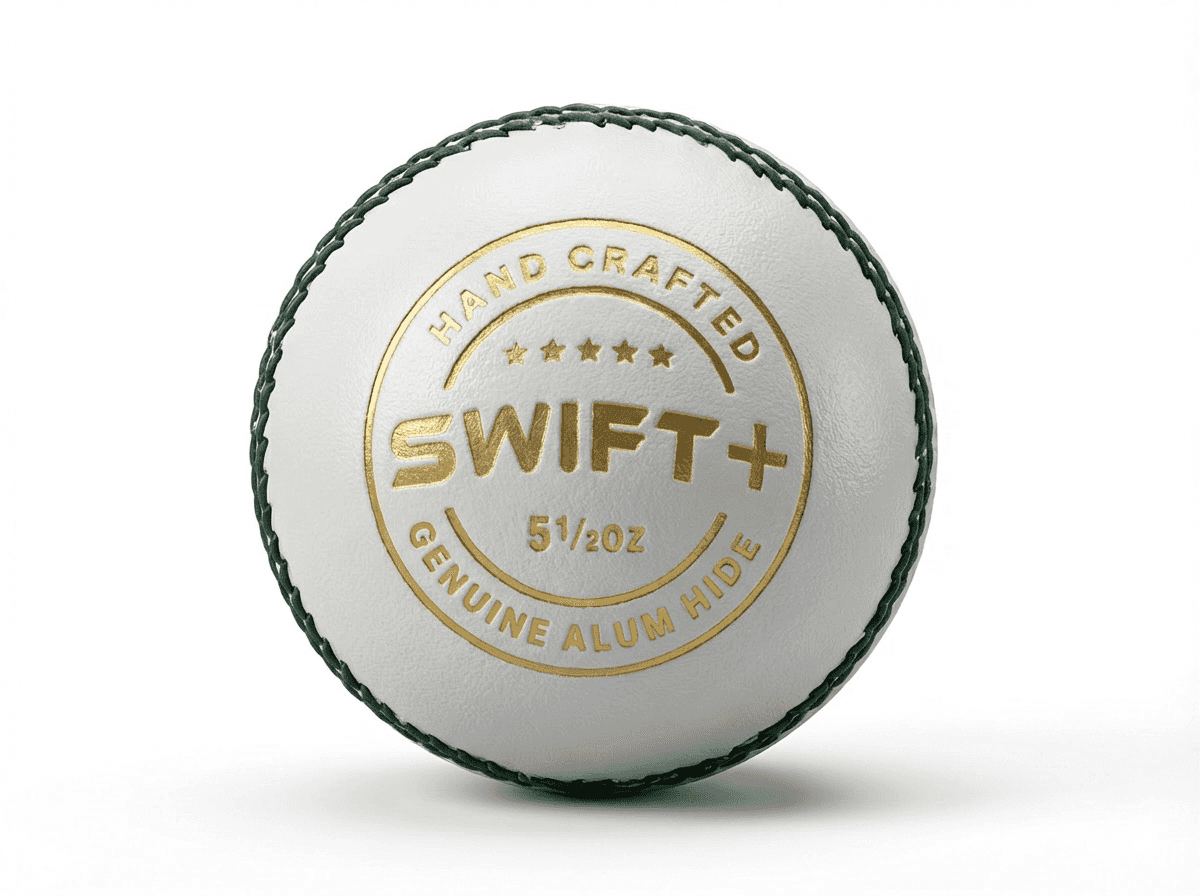
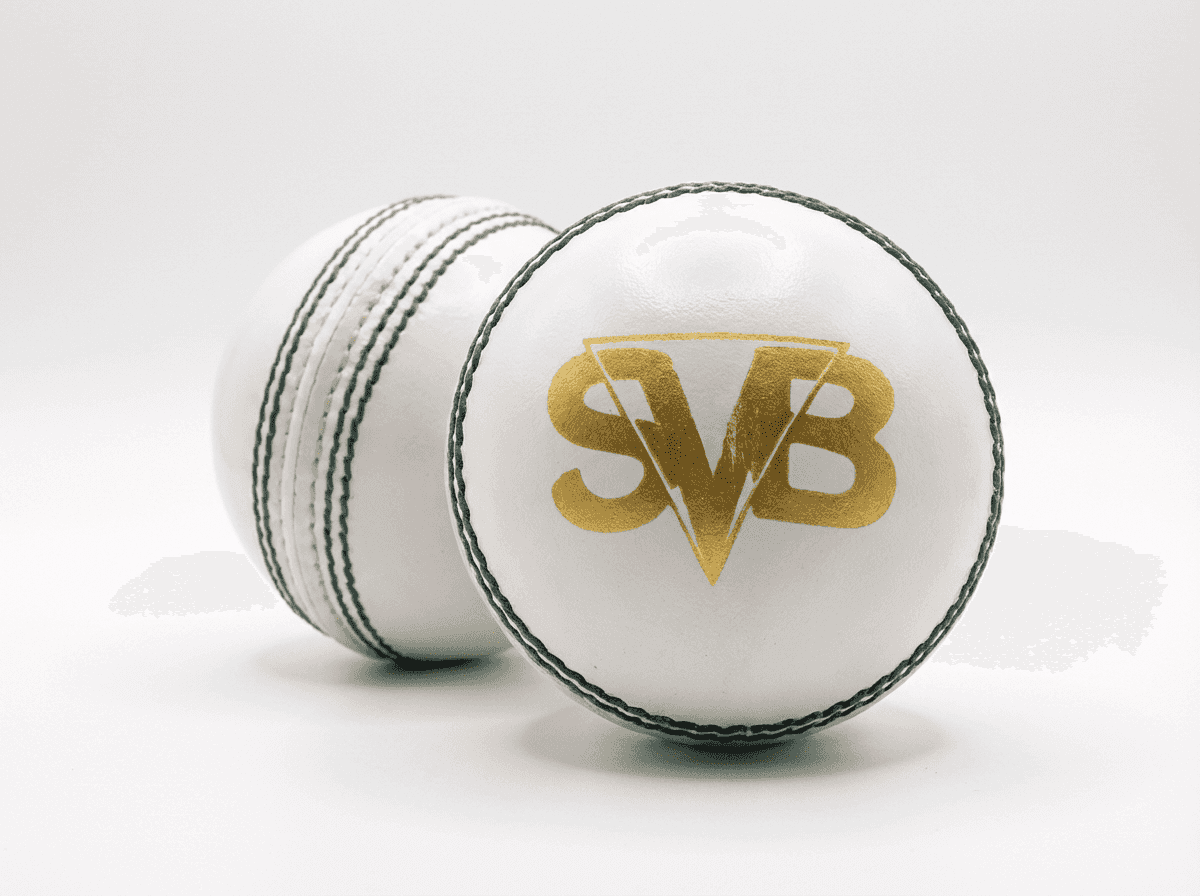
Recommended Cricket Balls
Choose the Right Cricket Ball for Your Game
Explore cricket balls selected for training, club matches, and different playing formats.
Direct answer
Why do red, white, and pink cricket balls behave differently?
Because differences in dye, lacquer coating, and construction affect durability, swing, and visibility, while each ball is optimized for specific match formats.
FAQ
FAQ
Question 1
What is white ball cricket?
Question 1
What is white ball cricket?
Question 2
Why are red balls used in Tests?
Question 2
Why are red balls used in Tests?
Question 3
Why do white balls lose shine faster?
Question 3
Why do white balls lose shine faster?
Question 4
Why were pink balls introduced?
Question 4
Why were pink balls introduced?
Question 5
Which swings more: red ball vs pink ball?
Question 5
Which swings more: red ball vs pink ball?
Key Points:
- 1Red balls are durable and used in Tests
- 2White balls provide early swing but wear quickly
- 3Pink balls balance visibility and performance
- 4Construction differences drive behavior
- 5Format determines ball choice
Find Your Cricket Ball
Explore Cricket Balls
Understand the differences and pick the right cricket ball for training or matches.
Written by
Prashant
Prashant
Tags