
Direct answer
What is the official weight of a cricket ball?
Under MCC Law 4, a new cricket ball must weigh 155.9–163g for men’s cricket, 140–151g for women’s cricket, and 133–144g for Under-13 cricket. The commonly labelled 156g, 142g and 135g balls fall within these ranges.
Key facts
- 156g is a common target weight for a men’s cricket ball.
- 142g is a common target weight within the women’s range.
- 135g is a common target weight within the Under-13 range.
- Official rules specify weight ranges, not one exact weight.
A ball labelled 156g, 142g or 135g is made around a target weight. Its actual permitted weight is determined by the category’s official range. Competitions may also apply their own age-group and equipment rules.
Why Cricket Ball Weight Matters
Cricket-ball weight affects how the ball feels in the hand, how players control it, and whether it meets the rules for a particular category.
The correct ball helps players practise with equipment suited to their level. However, weight alone does not decide swing, bounce or durability. These also depend on:
- Ball construction
- Leather and finishing
- Core and winding
- Seam quality
- Bowling technique
- Pitch and weather conditions
A 156g ball is 21g heavier than a 135g ball—an increase of approximately 15.6% by mass. That difference can be clearly felt, especially by younger players moving to a heavier category.
Players should follow their competition rules and coaching guidance instead of choosing a ball only by age or appearance.
| Category | Weight (g) | Circumference | Rule applies to |
|---|---|---|---|
| Men’s | 155.9–163g | 22.4–22.9cm | Men’s cricket |
| Women’s | 140–151g | 21.0–22.5cm | Women’s cricket |
| Junior | 133–144g | 20.5–22.0cm | Under-13 cricket |
Source: MCC Law 4 – The Ball. These specifications apply to men’s, women’s and Under-13 cricket. Individual competitions may add their own equipment rules.
Understanding 156g, 142g and 135g Labels
Official rules provide a permitted range, but manufacturers often label cricket balls using a common target weight.
This is why you regularly see:
- 156g cricket balls for the men’s range
- 142g cricket balls for the women’s range
- 135g cricket balls for the Under-13 range
These numbers make it easier for players, coaches and buyers to identify the intended category. However, they should not be mistaken for the only weights allowed under the Laws.
For example, a new men’s ball does not have to weigh exactly 156g. It must fall within the permitted range of 155.9–163g.
How Cricket-Ball Weight Is Checked During Production
At SVB Sports, weight is checked during different stages of production because the core, wound thread, leather, stitching and finishing all contribute to the final result.
A ball may be designed around a target weight such as 156g, but it must also have:
- Balanced weight across the ball
- A consistent round shape
- Correct leather thickness
- Even stitching and seam formation
- A finished weight suitable for its intended category
This is why two balls carrying the same weight label may still feel different. Construction, balance, seam, hardness and finishing also affect how the ball performs.
| Labelled weight | Common category | Kilograms | Ounces |
|---|---|---|---|
| 156g | Men’s cricket | 0.156kg | Approximately 5.50oz |
| 142g | Women’s cricket | 0.142kg | Approximately 5.01oz |
| 135g | Under-13 cricket | 0.135kg | Approximately 4.76oz |
156g Cricket Ball
A 156g ball is a common target weight for cricket balls made within the official men’s range.
- Official range: 155.9–163g
- Common labelled weight: 156g
- Common use: Men’s training and matches
- Available colours: Red, white and pink, depending on format
- Construction: Two-piece or four-piece, depending on the product
The heavier feel suits players training for men’s cricket. However, a 156g label does not guarantee better swing, bounce or durability.
Performance also depends on the leather, core, seam, stitching, finish, playing surface and weather.
142g Cricket Ball
A 142g ball is a common target weight within the official women’s range.
- Official range: 140–151g
- Common labelled weight: 142g
- Common use: Women’s cricket and programmes that specify this weight
- Available colours: Red, white and pink, depending on format
A 142g ball is lighter and slightly smaller than a men’s ball. This can make it easier to grip for players whose competition uses the women’s specification.
It should not automatically be assigned to a particular age group unless the competition or coaching programme specifies it.
135g Cricket Ball
A 135g ball is a common target weight within the official Under-13 range.
- Official range: 133–144g
- Common labelled weight: 135g
- Common use: Under-13 cricket and junior programmes using this specification
A lighter junior ball helps younger players train with equipment intended for their category.
However, junior rules can vary between cricket boards, schools, academies and competitions. Coaches and parents should confirm the required weight before purchasing.
Tip
Weight and Unit Conversions
Use these simple conversions when comparing cricket balls:
- 156g = 0.156kg ≈ 5.50oz
- 142g = 0.142kg ≈ 5.01oz
- 135g = 0.135kg ≈ 4.76oz
The difference between a 156g ball and a 135g ball is 21g, which is approximately 15.6% of the lighter ball’s mass.
This comparison explains the change in mass only. It should not be used to calculate injury risk or physical workload.

| Category | Common target weight | Formats | Common colours |
|---|---|---|---|
| Men’s | 156g | Tests, ODIs and T20s | Red, white and pink |
| Women’s | 142g | Tests, ODIs and T20s | Red, white and pink |
| Under-13 | 135g | Junior matches and training | Depends on competition |
Direct answer
Do red, white and pink cricket balls have different weights?
For the same player category, red, white and pink cricket balls generally follow the same permitted weight range. Their main differences are colour, finish, visibility and intended match format—not the official weight category.
Key facts
- Men’s red, white and pink balls use the men’s permitted weight range.
- Women’s balls use the women’s permitted weight range.
- Colour does not create a separate official weight category.
- The measured weight of individual balls may vary within the permitted range.
A men’s red ball and a men’s white ball do not need to weigh exactly the same number of grams, but both must fall within the permitted men’s range. Their leather treatment, dye, lacquer and match use may differ.
Tip
How to Choose the Correct Cricket Ball Weight
Before buying a cricket ball:
- Check the player category
- Read the competition or academy rules
- Confirm the required weight range
- Check whether a two-piece or four-piece ball is needed
- Choose the colour required for the match format
- Ask the coach when moving to a heavier ball
Do not choose a heavier ball simply because it appears more professional. The correct ball is the one required for the player’s category and intended use.

FAQ
Frequently Asked Questions About Cricket Ball Weight
Question 1
What is the official weight of a men’s cricket ball?
Question 1
What is the official weight of a men’s cricket ball?
Question 2
What is the weight of a cricket ball in kilograms?
Question 2
What is the weight of a cricket ball in kilograms?
Question 3
What is the weight of a cricket ball in ounces?
Question 3
What is the weight of a cricket ball in ounces?
Question 4
What is the official weight of a women’s cricket ball?
Question 4
What is the official weight of a women’s cricket ball?
Question 5
What is the official weight of a junior cricket ball?
Question 5
What is the official weight of a junior cricket ball?
Question 6
Do Test, ODI and T20 cricket balls have different weights?
Question 6
Do Test, ODI and T20 cricket balls have different weights?
Question 7
Is there a difference between red and white cricket-ball weight?
Question 7
Is there a difference between red and white cricket-ball weight?
Question 8
Can a 142g ball be used for youth cricket?
Question 8
Can a 142g ball be used for youth cricket?
Key Points:
- 1Men’s cricket balls must weigh 155.9–163g
- 2Women’s cricket balls must weigh 140–151g
- 3Under-13 cricket balls must weigh 133–144g
- 4156g, 142g and 135g are common target weights within these ranges
- 5Red, white and pink balls use the permitted range for their player category
Always choose a cricket ball according to the player category, competition rules and intended use. Weight is important, but construction, leather, seam and playing conditions also affect performance.
Explore Cricket Balls
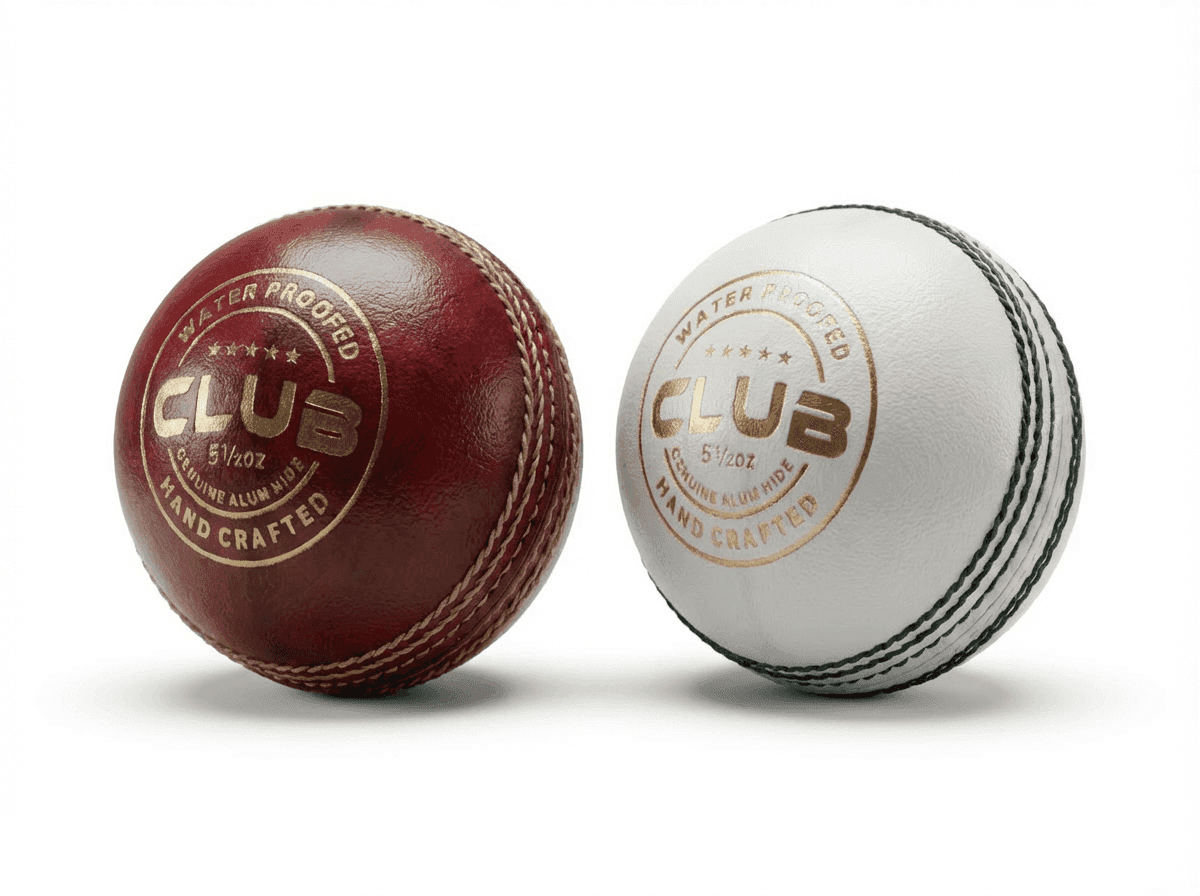
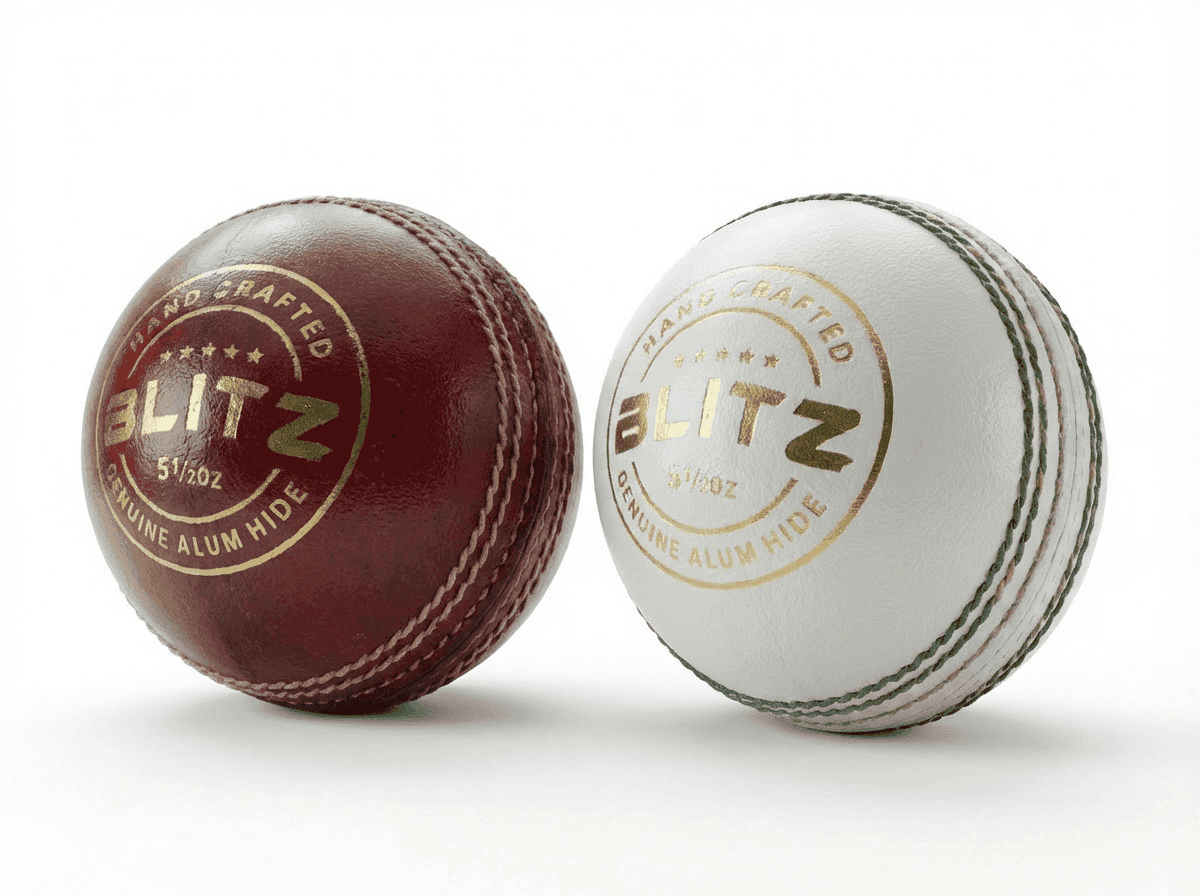
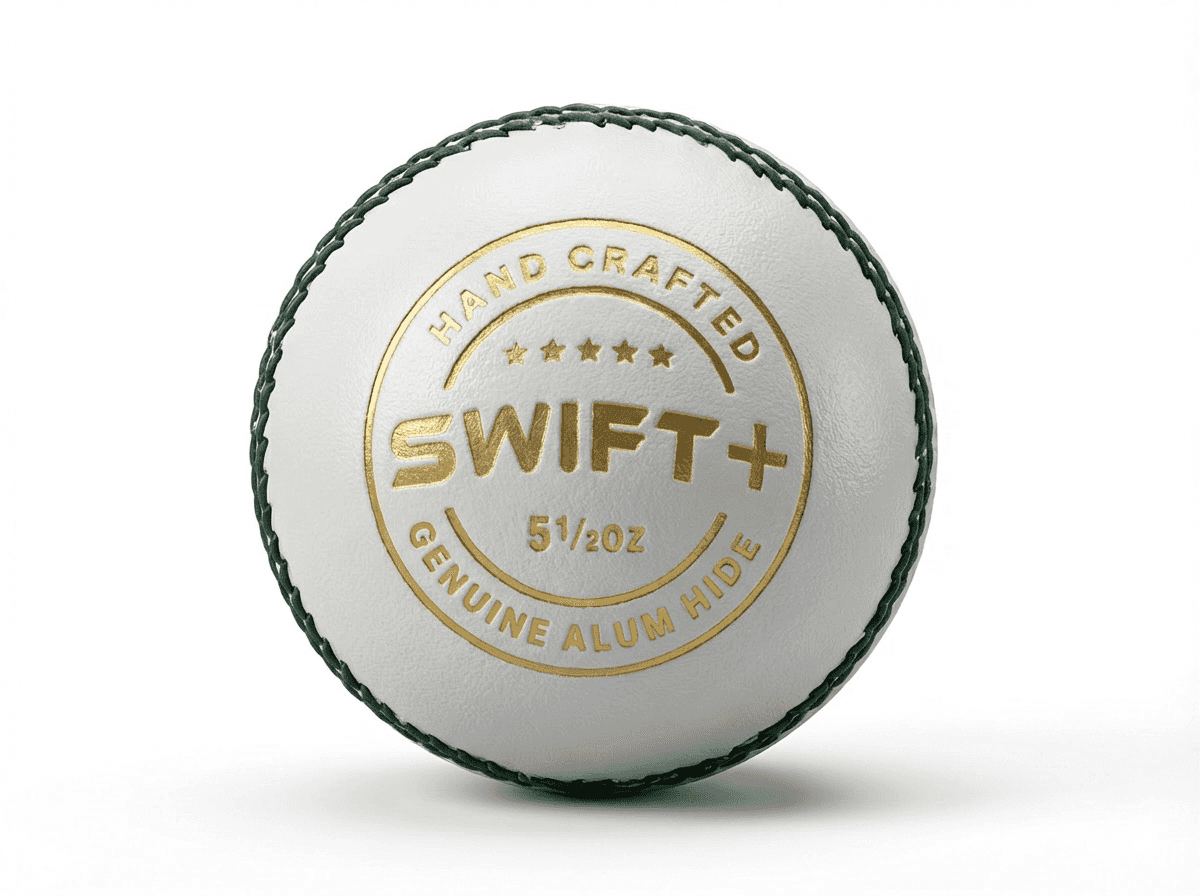
Leather Cricket Balls for Training and Matches
Compare cricket balls by weight, construction, colour and intended use to find the right option for your training or match requirements.
Choose the Correct Weight
Find the Right Cricket Ball for Your Game
Choose a cricket ball according to weight, construction, playing category and intended use.
Written by
Prashant
Prashant
Tags